Source Vintage A Line Mini Dresses for Fashion Retailers
Explore 30 options for vintage a line mini dresses suitable for daily casual wear and spring summer collections. Compare polyester and cotton blends, short and long lengths, and customization services like OEM/ODM to find the right fit for your inventory needs.
Key considerations
Products List


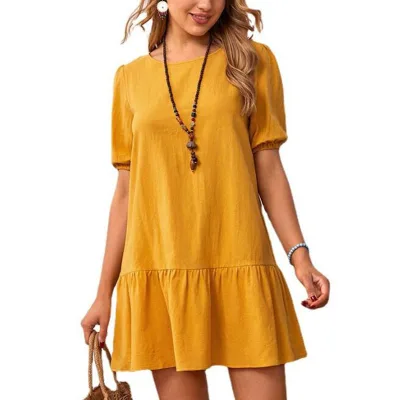


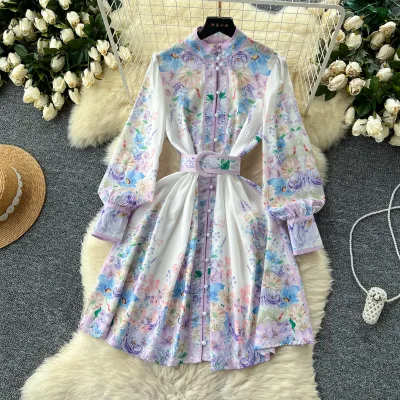
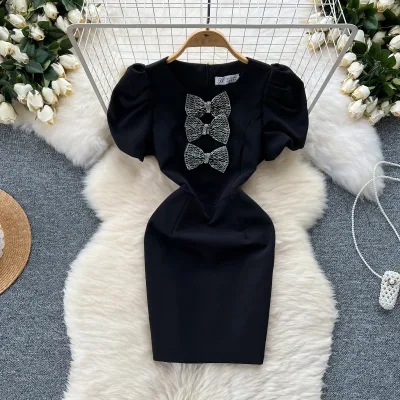


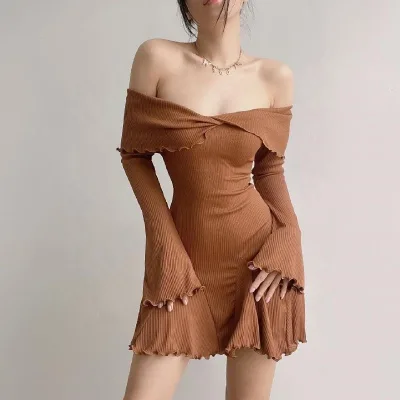




Comprehensive Sourcing Guide
Vintage A Line Mini Dresses Sourcing Guide
Sourcing vintage-style A-line mini dresses requires identifying suppliers who can replicate retro silhouettes using modern manufacturing techniques. The observed market data indicates a strong presence of polyester and cotton-blend fabrics, which offer the durability and drape necessary for this specific cut. Buyers should prioritize vendors offering customization services, as the vintage aesthetic often demands specific alterations to fit, pattern, or color that off-the-shelf items cannot provide.
Procurement teams must verify that the "A-Line" style and "Mini" length specifications align with current inventory, as listings show a mix of short and long variations. The presence of digital and silk screen printing options suggests that branding or unique vintage patterns can be integrated directly into the garment. It is critical to confirm that the "High Waist" or "Low-Waisted" options match the intended vintage era, ensuring the final product meets the specific stylistic requirements of the target demographic.
Product Scope and Observed Listing Signals
The current market signals reveal a diverse range of product attributes, including "Straight" and "Loose" fits alongside the primary "A-Line" structure. Listings frequently feature "Single Color" and "Floral" patterns, with some items utilizing "Dyed" techniques to achieve a faded, aged look. Buyers should note that while "Short Sleeve" and "Sleeveless" options are common, the "O-Neck" neckline is a dominant feature across the observed inventory, providing a classic foundation for vintage styling.
Commercial signals indicate that suppliers often support "In-Stock Items" alongside "OEM/ODM" capabilities, allowing for flexible order sizes. The observed MOQ ranges from 1 to 200 units, with some specific listings requiring 10,000 pieces, highlighting a significant variance in supplier capacity. Procurement strategies must account for these discrepancies, as the "7_days_sample_order_lead_time" support suggests a tiered approach where smaller test orders are feasible before committing to large-scale production runs.
Technical Specifications to Verify
Technical verification must begin with fabric composition, as the data shows a split between pure "Polyester" and "Cotton, Polyester" blends. Buyers need to confirm the exact ratio to ensure the garment achieves the desired breathability and texture, as "Breathable" is a listed feature but not guaranteed across all SKUs. The "Machine Washable" care instruction is a standard expectation, yet the specific washing durability of the "Digital Printing" or "Silk Screen Printing" must be validated to prevent fading or cracking during the product lifecycle.
Dimensional accuracy is equally critical, with observed listings specifying "Mini" lengths but also containing "Long" and "Short" variations that may confuse inventory management. The "High Waist" and "Low-Waisted" waist shapes represent distinct silhouettes that must be clearly defined in the technical pack to avoid production errors. Additionally, the "prod_model" identifiers vary significantly, ranging from simple codes like "051" to complex alphanumeric strings, necessitating a strict mapping system to ensure the correct vintage specifications are manufactured.
Compliance and Safety Documentation
While the supplied facts do not list specific certification numbers, buyers must verify that the "Customized" standard and "1kg" weight specifications align with destination market regulations. The origin locations, primarily "Guangdong, China" and "Guangzou," are major manufacturing hubs, but compliance with international safety standards for textiles remains the supplier's responsibility. Procurement teams should request documentation confirming that the "Polyester" and "Cotton" materials meet flammability and chemical residue limits for the intended export markets.
Packaging standards also play a role in compliance, with observed methods including "Carton," "Box," and "OPP Bag" configurations. The choice of packaging must protect the garment during transit while adhering to environmental regulations in the destination country. Buyers should ensure that the "Customized" nature of the product does not bypass standard safety testing, particularly for children's wear or items with specific "Logo/Pattern" applications that might involve additional chemical treatments.
Cost Drivers and Commercial Terms
Cost structures are heavily influenced by the customization level, with "OEM/ODM" services and specific "Pattern" requirements adding to the base price. The observed price range of 0.5 to 25.9 USD reflects this variability, where simple "Solid" pattern items sit at the lower end, while complex "Floral" or "Digital Printing" designs command higher rates. Buyers must analyze whether the "MOQ" of 100 or 10,000 units offers a better unit cost, as the volume discount structure often dictates the final landed cost per piece.
Lead times and sample availability are key commercial terms, with some suppliers supporting a "7_days_sample_order_lead_time" to accelerate the design phase. However, the "Supply Type" of "In-Stock Items" versus custom production creates a trade-off between speed and flexibility. Procurement negotiations should focus on balancing the immediate need for stock with the long-term benefits of custom manufacturing, ensuring that the "Carton" or "Box" packing costs are included in the total landed cost calculation.
Supplier Qualification and Quality Control
Supplier qualification should prioritize those with a proven track record in "Fashion" and "Daily Casual" categories, as indicated by the product style attributes. The presence of "Guangdong, China" and "Guangzou" origins suggests a mature supply chain, but buyers must verify the specific factory's capacity to handle "Customized" orders without compromising quality. Quality control protocols should explicitly address the "Sleeve Length" and "Neckline" consistency, as these are common points of variation in mass-produced vintage-style garments.
Inspection criteria must include a check on the "Pattern" alignment and print quality, given the reliance on "Digital Printing" and "Silk Screen Printing." The "Loose" and "Straight" styles require specific attention to seam allowance and fabric drape to ensure the "A-Line" silhouette is maintained. Buyers should implement a pre-shipment inspection that validates the "Care Instruction" labels and ensures the "Material" composition matches the agreed-upon sample, preventing discrepancies between the ordered specification and the delivered goods.
Long-Term Procurement Checks
Long-term procurement success depends on establishing a reliable relationship with suppliers who can consistently deliver "Vintage A Line Mini Dresses" with the required "Customization" features. Buyers should monitor the supplier's ability to maintain the "Breathable" and "Machine Washable" qualities over multiple production batches, as material sourcing can fluctuate. Regular audits of the "prod_packing" and "prod_standard" processes will help ensure that the product remains consistent with the initial "Fashion" and "Daily Casual" positioning.
Strategic planning must also account for the evolving nature of "Spring/Summer" and "Summer" seasonal trends, which drive the demand for these specific styles. Suppliers should be evaluated on their responsiveness to changing market demands, particularly regarding the "Pattern" and "Color" variations that define vintage aesthetics. By maintaining a clear communication channel regarding the "prod_model" updates and "MOQ" adjustments, buyers can secure a stable supply chain that adapts to future fashion cycles without disruption.
FAQs
What materials are commonly used for vintage a line mini dresses?
The listed vintage a line mini dresses are made mainly from polyester, with some styles offered in cotton or cotton-polyester blends. Polyester keeps production cost low and holds digital or silk screen printed patterns well, while cotton adds breathability for spring and summer wear. Buyers should confirm fabric composition and care instructions, such as machine washability, with each supplier before ordering.
Can I order vintage a line mini dresses with custom printing or logo?
Yes, customization is available on many listed styles, with digital printing and silk screen printing supported for logos and patterns. Suppliers in Guangdong, China offer OEM and ODM services, so you can submit your own artwork or design modifications. Confirm minimum order quantities, sample lead times, and print method compatibility with your chosen supplier before placing a bulk order.
How many pieces are the minimum order quantities for these dresses?
Minimum order quantities vary by supplier and style, with observed listings ranging from 1 piece to 200 pieces, and some noting 100 pieces. In-stock items typically allow smaller trial orders, while customized production runs require higher minimums. Always check the MOQ listed on each product page and confirm whether samples can be ordered separately before committing to volume.
Which sleeve and length options are available in this dress category?
Listed vintage a line mini dresses include short sleeve, sleeveless, and short or long length variations, with mini lengths common for summer styles. Necklines such as O-neck appear on casual options, and waist shapes range from high waist to low-waisted. Review each listing specification carefully, since sleeve style, dress length, and waist type differ between individual product models.
How should vintage a line mini dresses be packed for shipping?
Packing methods observed across listings include carton packing, box packing, and OPP bag packaging for individual pieces. OPP bags protect single garments from dust and moisture, while cartons are used for bulk outer packaging during transit. Discuss your preferred inner and outer packing combination with the supplier, especially if you need retail-ready boxes or specific labeling for your market.
What is the typical lead time for samples of these dresses?
Several listings support 7-day sample order lead times, particularly for in-stock items that are already produced. Customized designs using digital printing or silk screen printing generally take longer, since sampling includes pattern making and print approval. Contact the supplier with your design requirements to receive an accurate sample timeline before scheduling your bulk production.
Can I find breathable everyday styles in this category?
Yes, several listings are positioned as daily casual dresses with breathable fabric and solid dyed patterns, suitable for spring and summer wear. Cotton and cotton-polyester options tend to offer better airflow than pure polyester in warm conditions. Check the fabric composition and feature descriptions on each listing, and request fabric samples to verify comfort before ordering in quantity.
What price range should buyers expect for these dresses?
Observed listed prices range from about 0.5 to 25.9 US dollars per piece, depending on fabric, length, printing method, and order quantity. Simple solid-color polyester styles sit at the lower end, while cotton or printed designs command higher prices. Larger order volumes usually improve unit pricing, so compare quotes across several suppliers for your target specification.